
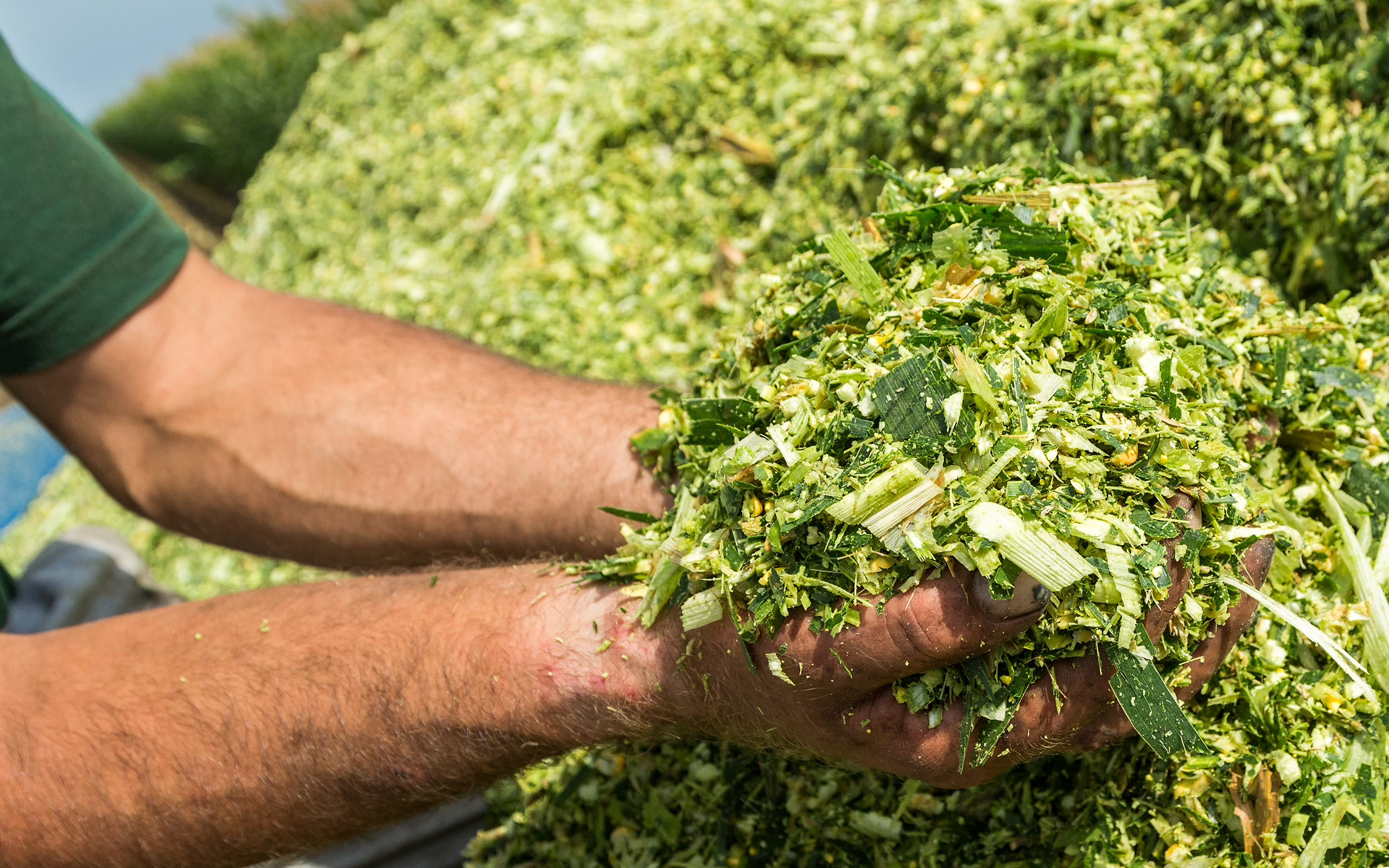
For Minnesota growers, silage is more than just another crop—it’s an investment in quality feed, stability over the winter, time, and the work that goes into making the most of every acre. Whether you’re growing silage to sell or putting it up for your own operation, it is vital to protect your investment. The good news? A few thoughtful steps can help you get more value and more usable feed from this year’s silage season.
Start with the Right Preservation Approach
Good silage preservation starts before the crop ever goes into storage. Proper moisture, packing, sealing, fermentation, and preservative application all play a role in maintaining quality and reducing losses. For operations using a silage preservative, having the right applicator for your equipment and application needs is an important part of the process. The goal is consistent, reliable application that works with the equipment you already have in the field. A few things to consider:
- Choose an applicator that fits your equipment and make sure the applicator is designed to integrate properly with your setup. (Yes, we can help with that!)
- Check your system before harvest. Hoses, pumps, tanks, nozzles, connections, and controls are much easier to inspect and troubleshoot before you’re sitting with a crop that’s ready to come out of the field.
- Keep your equipment clean and maintained to help your applicator perform consistently when you need it most.
Keep An Eye on the Details at Harvest
Silage quality can be affected by harvest timing, moisture levels, chop length, and packing density, all of which make a big difference in how well the crop stores. Before and during harvest, consider the following:
- Watch moisture levels. Harvesting at the right moisture for your storage method can help encourage proper fermentation and reduce storage losses.
- Pay attention to chop length. A consistent chop can make packing easier and contribute to a well-fermented crop.
- Good, consistent packing helps remove oxygen and creates the conditions needed for proper fermentation.
- Monitor changing field conditions. Weather, crop maturity, and field conditions can change quickly, so be prepared to adjust as needed.
Continue Protecting Your Investment
Once your crop is harvested, proper storage helps make sure as much of your investment as possible makes it to the feed bunk—or to the customer. A few good reminders:
- Seal storage promptly and thoroughly. Limiting oxygen exposure is one of the most important steps in protecting stored silage.
- Check for damaged or compromised areas. Tears, holes, or other openings can give oxygen an opportunity to cause problems.
- Keep storage areas maintained. Good drainage and a clean area around storage can help minimize avoidable issues.
- Monitor stored silage throughout the season and pay close attention when feeding or delivering. Watch for changes in smell, appearance, temperature, or consistency that could indicate spoilage or a storage issue.
There’s a lot that goes into putting up quality silage, and no operation can control every variable. At Dohrmann Enterprises, we know that the right preservative applicator can be an important piece of the harvest process. We don’t sell the preservatives themselves for silage, but we provide applicators designed for use with various types of equipment and applications. When you’re ready to review your setup or need an applicator for your operation, we are here to help you find the right fit.
Silage Preservative FAQs:
How can I get more value from the silage I grow?
Getting more value from silage starts with protecting the quality from harvest through storage. Pay attention to harvest timing and moisture, achieve good packing, limit oxygen exposure, maintain storage covers, and monitor the silage throughout the feeding season. Reducing storage and feeding losses means more of the forage you worked to produce remains available for your livestock or customers.
Why is silage preservation important?
Proper preservation helps protect the nutritional and economic value of harvested forage. Silage is preserved through fermentation in an oxygen-limited environment, so keeping oxygen out during storage is critical to limiting spoilage and losses.
What should I consider when choosing a silage preservative applicator?
The applicator should match your equipment, harvest process, and application needs. Consider how the system will integrate with your harvester or other equipment, how consistently it can apply the product, and how easy it will be to monitor, adjust, maintain, and refill during harvest.
Do I need a preservative applicator for my silage equipment?
That depends on your preservation strategy and the equipment and products used by your operation. If you apply a silage preservative during harvest, having an applicator designed for your equipment can help make the application process more consistent and manageable.
What should I check on my silage applicator before harvest?
Before harvest, inspect hoses, pumps, tanks, nozzles, connections, controls, and other components for wear or damage. It’s also a good idea to test and calibrate the system before heading into the field so you can identify problems before harvest gets busy.
How does moisture affect silage quality?
Moisture at harvest affects fermentation, packing, and storage quality. Silage that is too wet can have fermentation and seepage concerns, while silage that is too dry can be harder to pack effectively and may leave more air trapped in the storage mass. The appropriate moisture level depends on the crop and storage system.
Why is packing important when making silage?
Good packing helps remove oxygen from the forage mass and creates better conditions for fermentation. Inadequate packing can leave air pockets that contribute to microbial activity, heating, mold, and dry matter losses.
How can I protect silage quality through a Minnesota winter?
Start with quality forage and good preservation practices at harvest, then maintain the storage system throughout the winter. Check covers for damage, keep water from entering storage, monitor for signs of spoilage, and protect the exposed feed face during feeding. Good storage practices can help preserve more of the forage until it is needed.
Does Dohrmann Enterprises sell silage preservatives?
No. Dohrmann Enterprises provides preservative applicators for various types of agricultural equipment and applications. If you’re looking for an applicator that fits your equipment and operation, Dohrmann Enterprises can help you explore the available options.